

The Park They Tried to Stop, Then Learned to Use
Pantawan survived the waves. More remarkably, it survived Dumaguete politics.
There is perhaps no better measure of Pantawan People’s Park than the way Dumagueteños speak its name.
“Adto ta sa Pantawan.”
Let’s go to Pantawan.
No explanation needed.
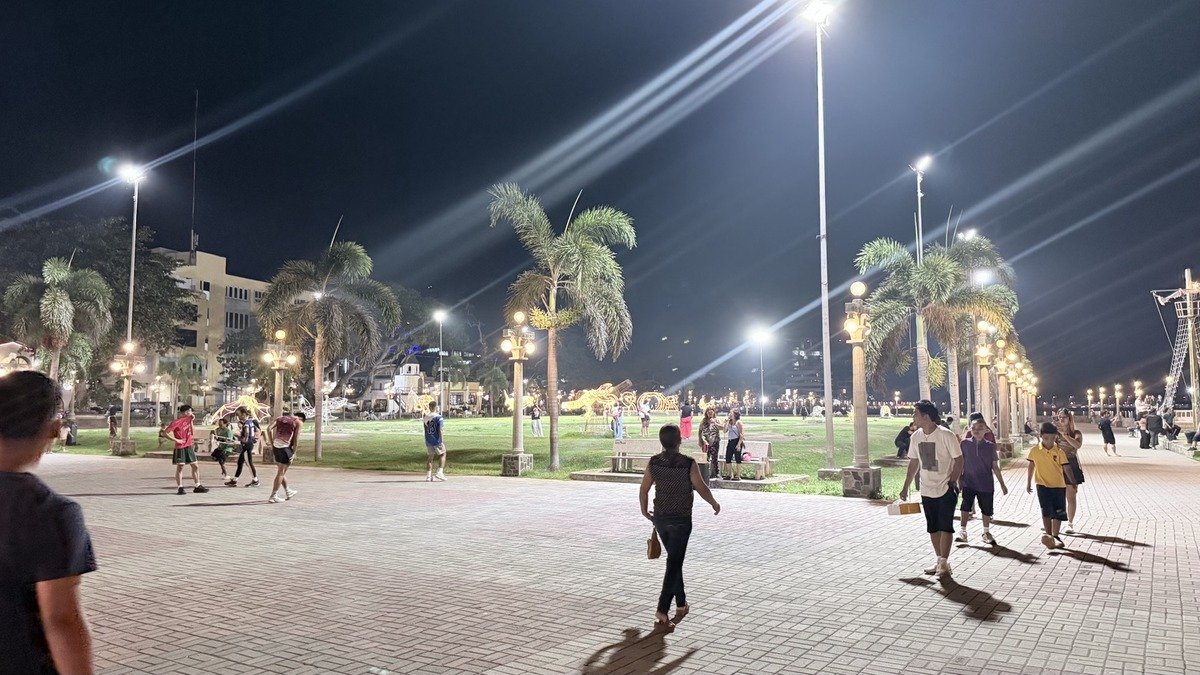
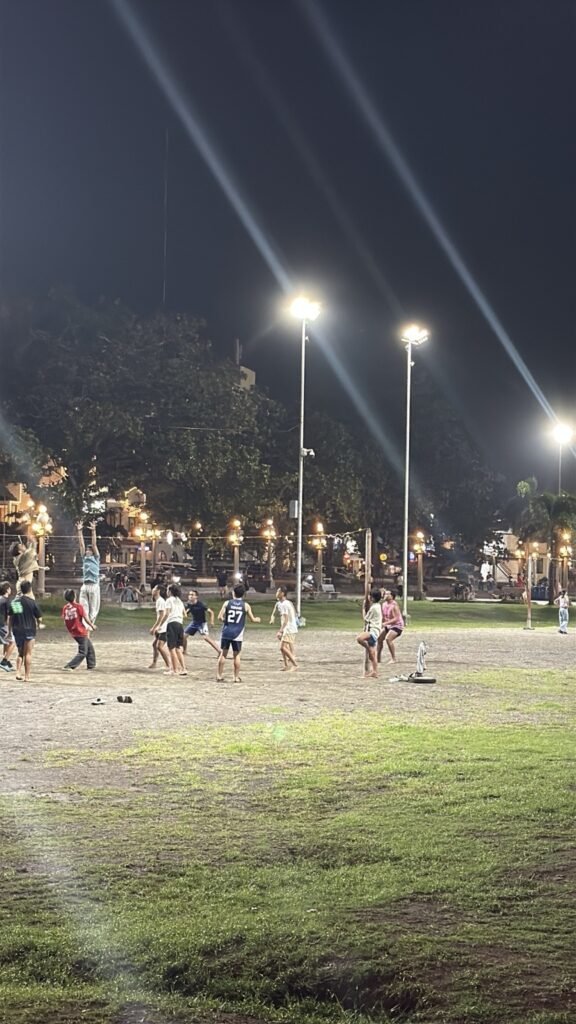
Mag-pickleball. Mag-exercise. Mag-videoke. Mag-chess. Mag-volleyball. Maglakaw. Mag-chill.
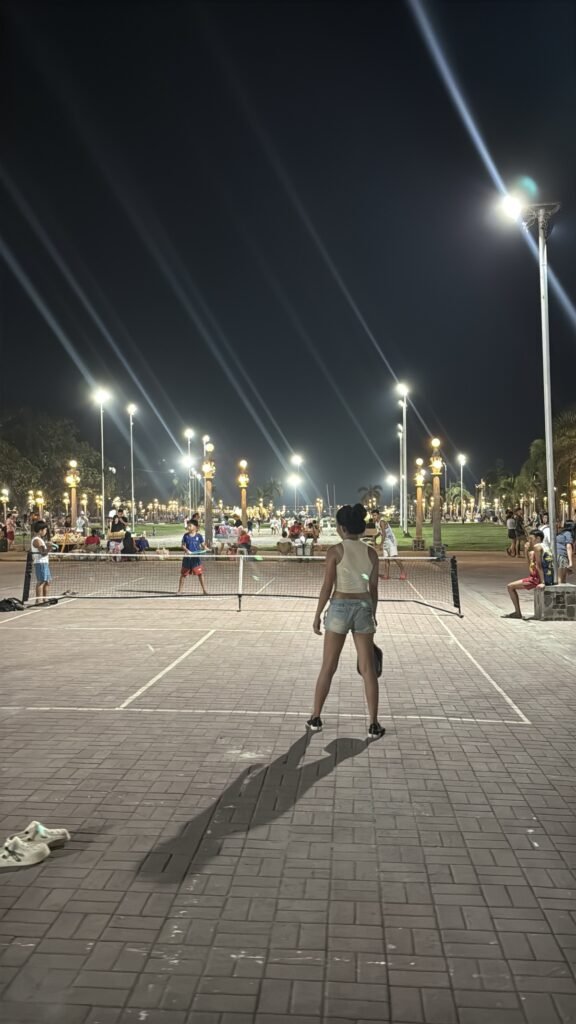
Bring the children. Meet friends. Buy dinner. Sit beside the sea.
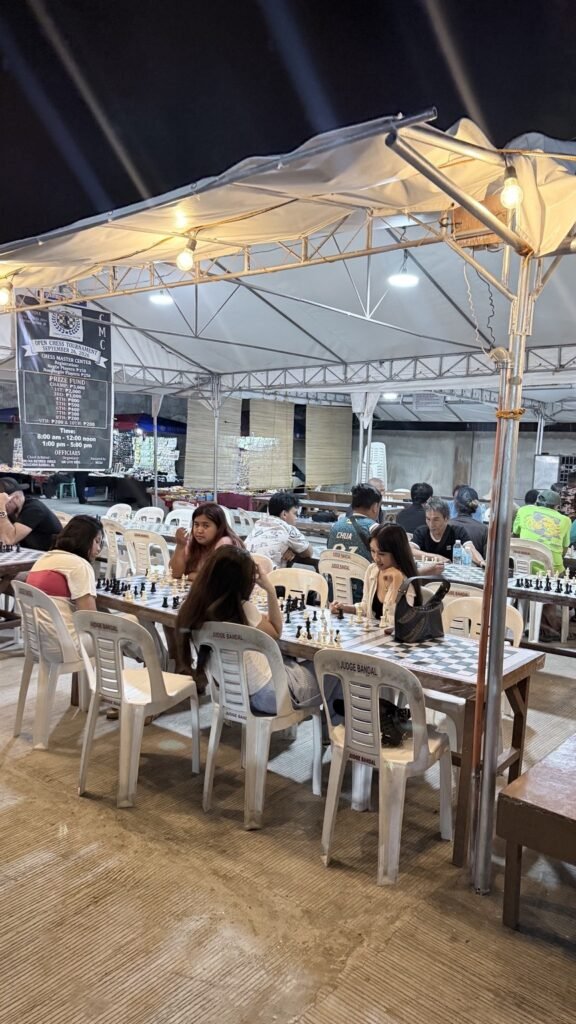
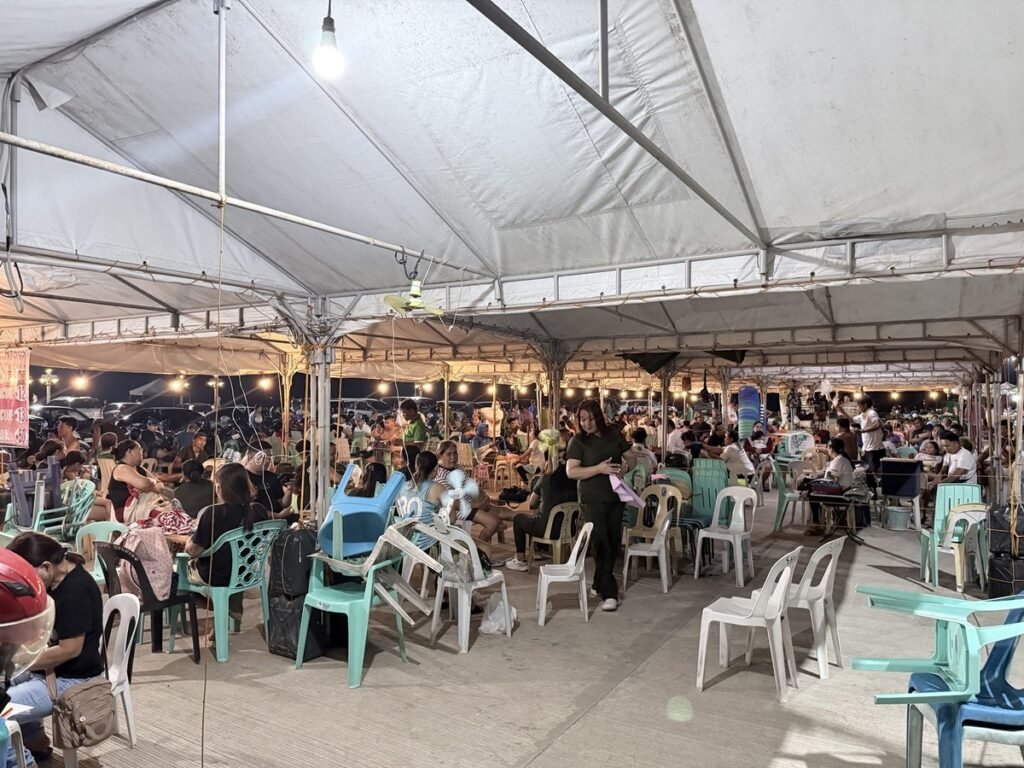
Every afternoon, the place fills almost by instinct. Families arrive. Joggers circle the open grounds. Young people photograph the sunset. Children run across spaces that did not exist a generation ago. Vendors sell food. Masseuses wait for customers. Small entrepreneurs earn enough to bring something home.
Tourists come because the Boulevard leads them there.
Dumagueteños come because Pantawan has become theirs.
Politicians may someday put another name on a sign.
It will not matter.
To Dumaguete, it will always be Pantawan.
And therein lies one of the great ironies of modern Dumaguete politics.
Because some of the people who today govern a city that uses, maintains and continues to improve Pantawan came from the political camp that spent years helping turn the project into a battlefield.
Pantawan did not merely survive the Amihan.
It survived an attempt to make it politically impossible to build.
THEY SAID STOP
To remember Pantawan honestly, Dumaguete must remember what was done to it while it was being built.
There were protests.
There were social-media campaigns.
There were hearings.
There were demands that construction stop.
There was a cease-and-desist controversy.
There were environmental organizations warning of damage to marine life and fishing livelihoods.
And eventually there was an Ombudsman complaint.
In September 2023, two environmental organizations — Kahugpungan Para sa Kinabuhi ug Kinaiyahan and Friends of the Environment in Negros Oriental — together with five residents of Tinago, sought an Ombudsman investigation into the Pantawan 2 extension.
On paper, this was environmental advocacy.
In Dumaguete politics, however, the harder question was always this:
Why did the outrage seem to know exactly whom to hit?
The complaint became especially difficult to separate from politics because of whom critics say it included — and whom it did not.
Then Vice Mayor Karissa Tolentino-Maxino, who as presiding officer did not cast the vote being questioned, was dragged into the controversy.
Yet Manuel “Chaco” Sagarbarria, then a city councilor and a member of the Sagarbarria political family, had supported the city administration’s priority projects, including the development of Pantawan 2. An official city account from September 2021 specifically listed Councilor Manuel Sagarbarria among councilors who “underscored their support” for the administration’s priority projects; Pantawan 2 was expressly among those projects.
And yet, as critics of the Ombudsman complaint have repeatedly pointed out, Sagarbarria was not treated the same way as the political officials associated with Remollo.
That is not a minor footnote.
It goes to the center of the Pantawan story.
If the offense was the project, why would responsibility depend on political surname?
If Pantawan itself was the environmental sin, why distinguish among officials who helped authorize or support it?
If this was exclusively about saving the environment, why did the fury eventually become so quiet?
Those are questions Dumaguete deserves to keep asking.
Because environmentalism should have no political party.
The sea does not know who is Remollo.
A coral reef does not know who is Sagarbarria.
A fish does not vote Kasaligan or Lupad.
If a project is environmentally destructive under one mayor, it does not become environmentally acceptable when another mayor inherits it.
THEN SOMETHING REMARKABLE HAPPENED
The administration changed.
Pantawan did not disappear.
Neither did the city bulldoze it back into the sea.
Instead, the new administration began dealing with the Philippine Reclamation Authority so it could keep using the very place that had been portrayed for years as a symbol of wrongdoing.
In September 2025, Mayor Manuel Sagarbarria announced that the PRA had given the city permission to backfill the unfinished excavated portion of Pantawan.
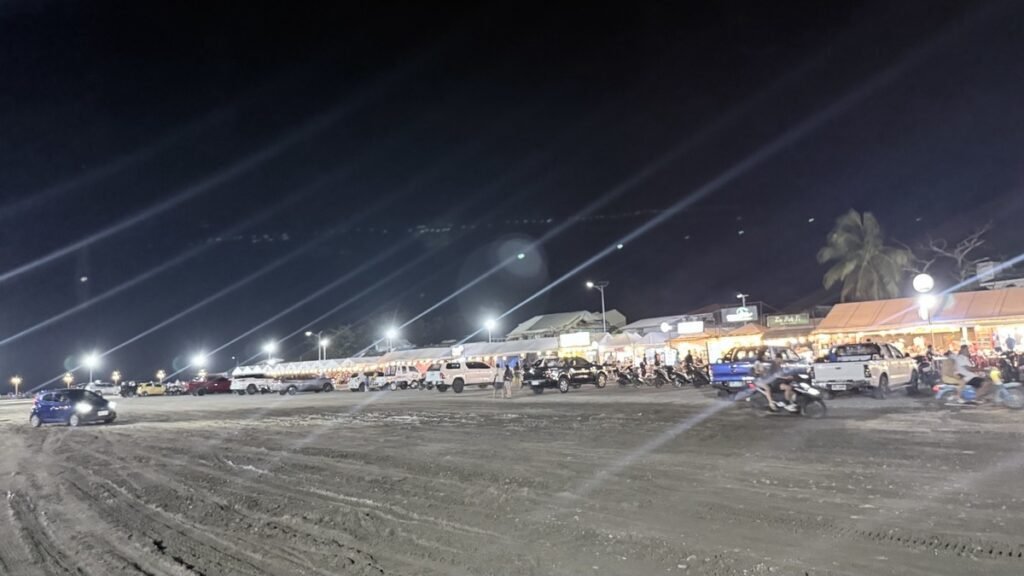
The filling proceeded.
The park remained open.
The public continued using it.
The city continued administering it.
And suddenly, where were the rallies?
Where were the thunderous declarations that Pantawan represented an ecological catastrophe?
Where were the social-media armies?
Where were the environmental warriors demanding that every truckload of filling material be stopped?
Where were the cries for accountability against the people now actually occupying City Hall?
This silence is the part of the Pantawan story that deserves far more attention.
Because silence can sometimes say more than a protest placard.
The environmental issue did not vanish when the election ended.
The political target did.
That is why many Dumagueteños came to see the campaign against Pantawan not simply as environmental advocacy but as environmentalism selectively deployed — useful when the project could be used against a political opponent, strangely less urgent when political allies inherited the same concrete.
Call it selective outrage.
Call it political convenience.
Call it hypocrisy.
But do not insult the intelligence of Dumagueteños by pretending they cannot see the difference.
THE PROPHECIES VERSUS THE PLACE
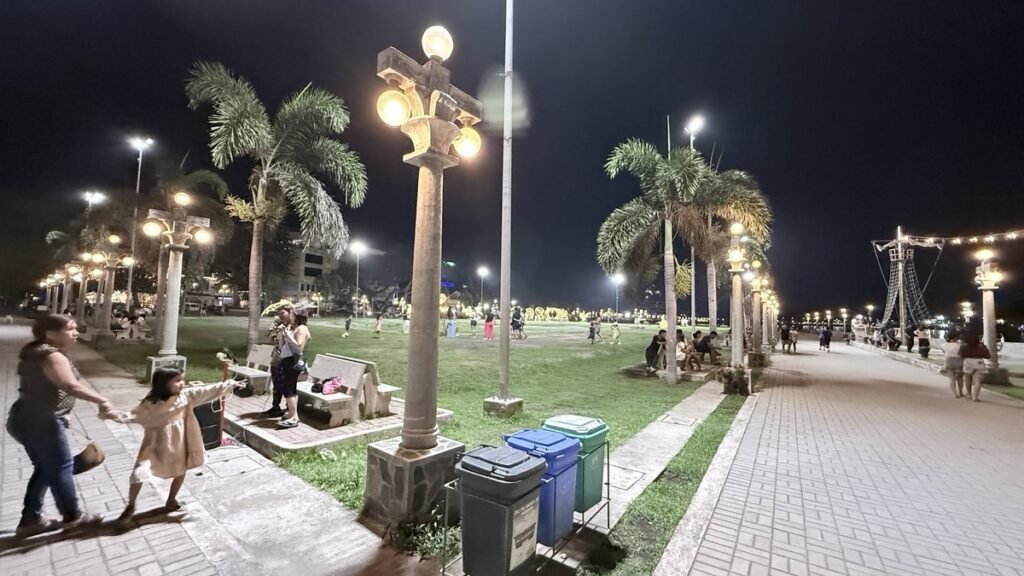
Look at Pantawan now.
This is important because politics loves prediction.
Government projects are announced with predictions of prosperity.
Opposition campaigns answer with predictions of catastrophe.
Time is less theatrical.
Time simply reveals what happened.
Pantawan was supposed to devastate the people around it.
Today, people make their living there.
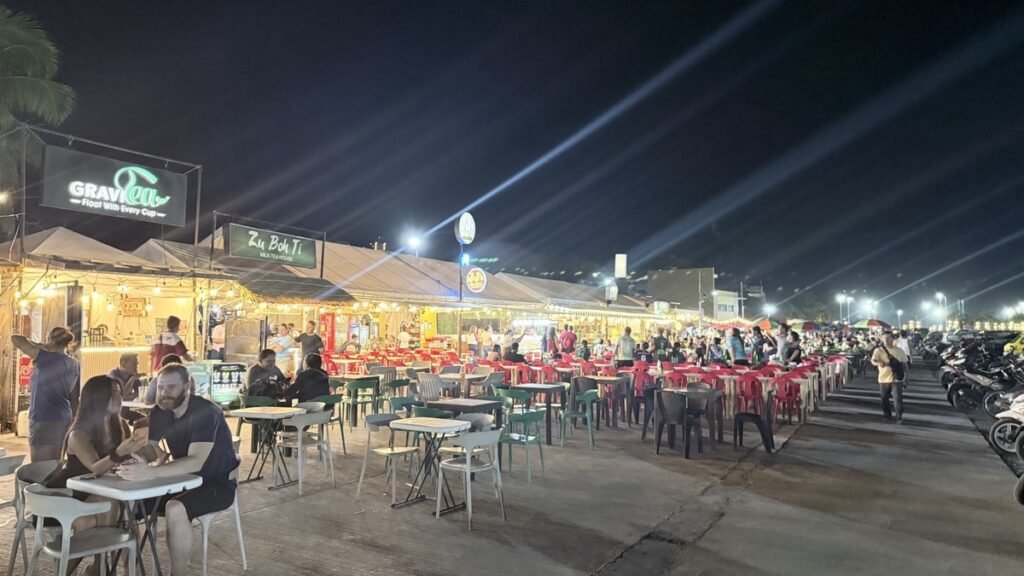
Pantawan was portrayed as an assault on the community of Tinago.
Yet one of its core purposes was shoreline protection — putting a barrier between the coastal community and the waves that have battered the southern end of the Boulevard for generations.
The city later continued shoreline-protection works connecting Pantawan 1 and Pantawan 2, including reinforced wave defenses and a wider promenade intended to protect infrastructure from erosion and large waves.
Pantawan was attacked as though concrete itself were proof of evil.
But concrete protecting a community from the sea is not ideology.
It is infrastructure.
And public space is not an abstraction when thousands of people actually use it.
Pantawan gave Dumaguete something increasingly rare in growing Philippine cities:space without an entrance fee.
You do not need to order coffee.
You do not need to rent a hotel room.
You do not need a membership.
You do not need to be rich.
You simply go.
That is what its builders understood.
A city needs roads and drainage, yes.
It needs markets and government buildings.
But a livable city also needs somewhere its people can breathe.
THE PROJECT THAT WOULD NOT DIE
Perhaps Pantawan’s most remarkable feature is not its size.
It is that it exists at all.
It did not have a ₱2-billion blank check.
It was not born from one enormous loan.
It grew through phases, appropriations, community support, donated amenities, construction materials, benches, trash receptacles and improvements made over time.
Sometimes there was enough money.
Sometimes there was not.
Plans had to survive political resistance almost brick by brick, rebar by rebar.
Even an envisioned aquatic center became entangled in the fight over the property and was never realized as originally planned.
Pantawan survived because someone first had to imagine that the ugly, vulnerable stretch beside the old Boulevard could become something else.
Then someone had to possess the political will to continue building while being accused, attacked, investigated and obstructed.
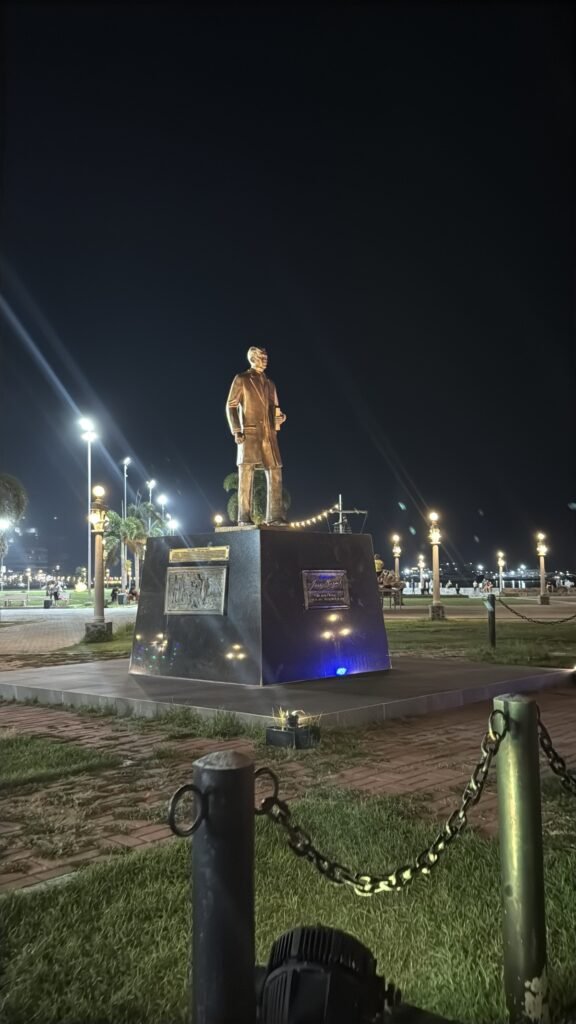
That person was Mayor Felipe “Ipe” Remollo.
Political opponents can dislike him.
Environmental activists can still disagree with him.
History does not require affection.
But intellectual honesty requires acknowledging what is plainly standing there.
Remollo saw Pantawan before Pantawan existed.
Where others saw shoreline, he saw a public park.
Where others saw waves beating against Tinago, he saw shoreline protection.
Where others saw unused space, he saw volleyball courts, promenades, sports, recreation, livelihood and families gathering beside the sea.
And he pushed it through a political environment determined to make him pay for doing so.
THE MOST DAMNING IMAGE
The most damning photograph in the entire Pantawan controversy is not a picture of a rally.
It is not a cease-and-desist order.
It is not an Ombudsman complaint.
It is a photograph of former critics and political opponents using Pantawan.
That is the verdict.
They hold activities there.
Their supporters walk there.
Government conducts programs there.
Politicians appear there.
Families allied with every imaginable political faction enjoy it.
Nobody asks Pantawan whom they voted for before allowing them through.
The park simply works.
And that is precisely why the old attacks have aged so badly.
If Pantawan were truly the civic abomination it was once made out to be, consistency would demand one thing:
Close it.
Tear it down.
Return it to the sea.
Stop using it.
Stop improving it.
Stop posing for photographs there.
Stop holding government activities there.
But nobody seriously proposes that.
Of course they do not.
Because Dumaguete would revolt at the absurdity.
Pantawan has passed from project to institution.
It belongs to the civic life of the city now.
WHERE DID THE ENVIRONMENTALISTS GO?
This is the question history should preserve.
Not because environmental advocacy is wrong.
Dumaguete needs environmentalists.
It needs scientists.
It needs citizens willing to challenge City Hall.
But advocacy loses moral authority when its intensity appears to change depending on who occupies City Hall.
If Pantawan threatened the environment under Remollo, environmentalists should have remained equally vigilant under Sagarbarria.
If filling was wrong then, it should remain wrong now.
If the park was a crime against Dumaguete then, enjoying its benefits now requires at least some explanation.
Instead, Pantawan stands.
People use it.
The Sagarbarria administration uses it.
Work has continued with government approval.
And the political temperature surrounding the project collapsed.
Perhaps that explains why so many Dumagueteños no longer remember the Pantawan battle principally as an environmental fight.
They remember it as politics.
They remember officials demanding explanations for practically every brick and length of reinforcing steel.
They remember attempts to stop construction.
They remember the threats.
They remember the cases.
And now they can compare all of that noise with the extraordinary quiet that followed when power changed hands.
That contrast is impossible to unsee.
“ADTO TA SA PANTAWAN”
Great public works eventually escape their builders.
That is their highest achievement.
Pantawan no longer belongs to Ipe Remollo.
It certainly does not belong to the Sagarbarrias.
It does not belong to the environmentalists who fought it.
It does not belong to Lupad or Kasaligan.
Pantawan belongs to Dumaguete.
That is why attempts to rename it ultimately matter so little.
Governments can change signs.
They cannot easily rename memory.
A generation of Dumagueteños has already decided what this place is called.
They say it casually.
After work.
Before sunrise.
On Sunday afternoons.
When the children want somewhere to play.
When friends want somewhere to meet.
When visitors ask where they should go before sunset.
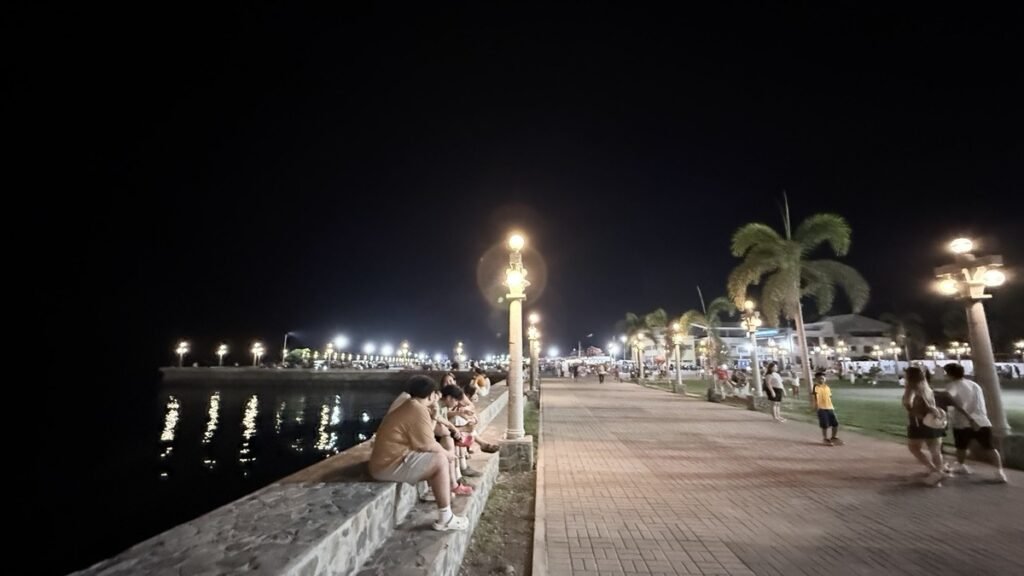
“Adto ta sa Pantawan.”
Three ordinary words.
But inside them is the entire story.
A project attacked.
A project obstructed.
A project dragged through politics.
A project that survived.
A project inherited by the people who once stood against the administration that built it.
And finally, a project so successful that even its political enemies could no longer afford to oppose what Dumaguete had already embraced.
Pantawan survived the accusations.
It survived the political maneuvers.
It survived the cases.
It survived the people who wanted it stopped.
And every evening, as another crowd gathers beside the Boulevard, the city delivers the same verdict all over again:
Pantawan was worth fighting for.

